What Organizations Actually Need
Organizations operating under sustained pressure — high-growth startups, healthcare systems, financial services, manufacturing during disruption — need employees who can: regulate emotions during conflict, make decisions under uncertainty, maintain focus despite stress, collaborate when tensions are high, and recover quickly from setbacks. These are not soft skills. These are core professional competencies that directly impact performance, safety, and outcomes.
Skills-based, not educational: Training that builds actual regulatory capacity, not just awareness
- Skills-based, not educational: Training that builds actual regulatory capacity, not just awareness
- Scalable: Can reach thousands without proportional cost increases
- Personalized: Adapts to individual stress profiles, learning pace, starting capacity
- Measurable: Objective metrics demonstrating improved functioning, not just attendance
- Engaging: High completion rates, sustained participation over time
- Workplace-relevant: Practice scenarios that mirror actual work stressors
Why Immersive Technology Changes the Equation
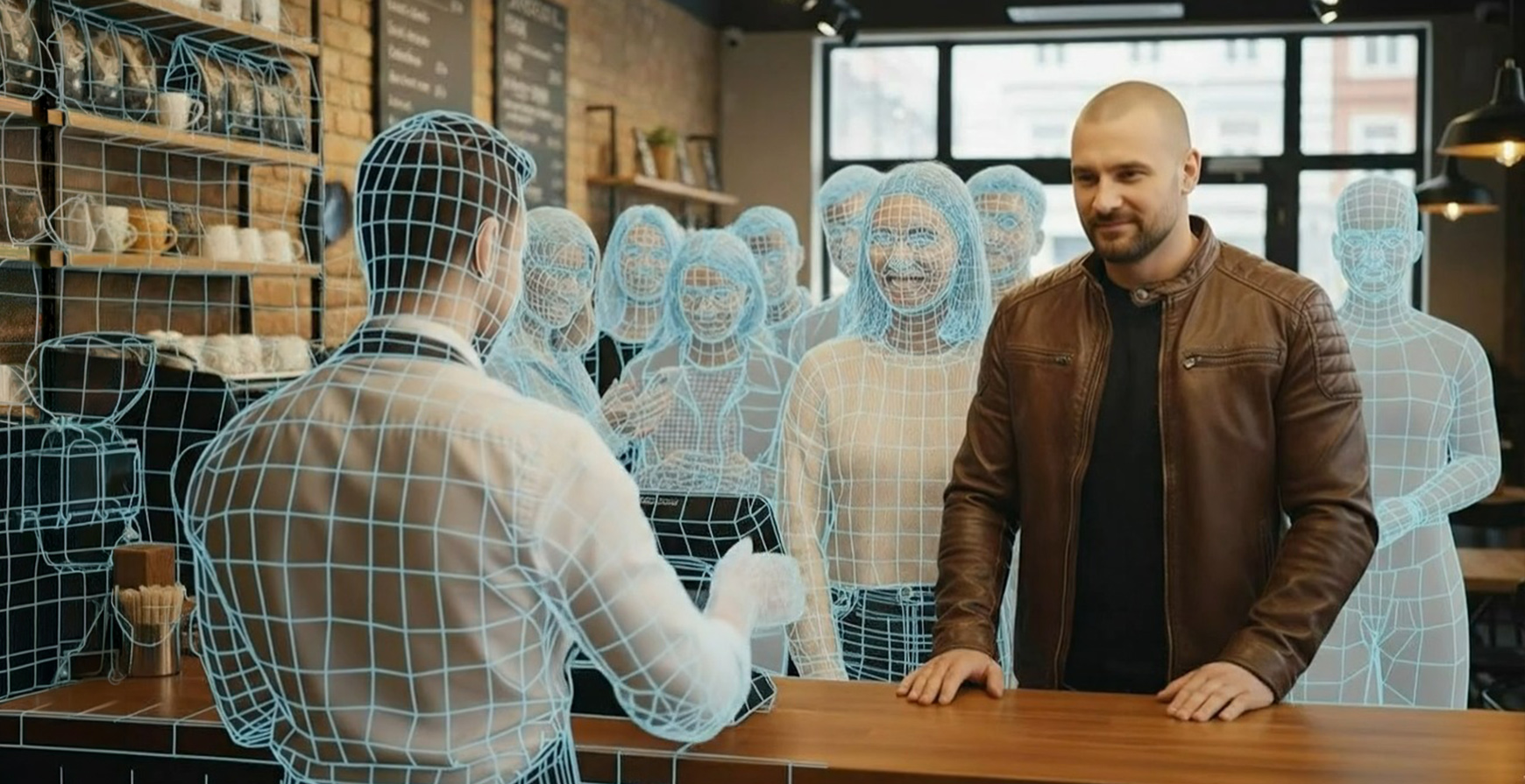
Virtual reality-based training can deliver all six requirements simultaneously. Skills-based: employees practice actual regulation in realistic scenarios. Scalable: once developed, can serve unlimited users. Personalized: AI adapts difficulty, pacing, scenarios to individual needs. Measurable: biometric data shows physiological changes, performance metrics track skill development. Engaging: VR creates immersive experiences with higher engagement than passive learning. Workplace-relevant: scenarios can mirror actual work environments and stressors.
The ROI Case
Return on investment for effective emotional regulation training is measurable:
- Reduced absenteeism (stress-related sick days cost organizations billions)
- Improved decision-making quality (dysregulated employees make more errors)
- Higher retention (wellbeing is top-3 factor in retention decisions)
- Better team dynamics (regulated employees collaborate more effectively)
- Enhanced innovation (psychological safety requires regulated nervous systems)
- Lower healthcare costs (stress drives chronic disease)
Organizations with above-average employee wellbeing show 21% higher profitability. The question isn't whether to invest — it's whether to invest in approaches that actually work.
What 'Good' Looks Like: A Procurement Framework
When evaluating next-generation resilience solutions, ask:
1. Is this skill development or information delivery?
2. How many hours of active practice does the program include?
3. Does practice occur under realistic workplace stress?
4. What biometric or performance data demonstrates skill acquisition?
5. How does the system personalize to individual needs?
6. What's the completion rate (not just enrollment)?
7. Can you show sustained behavior change 3-6 months post-training?
8. How does this scale across our organization?
9. What's the cost per employee who actually develops measurable capacity?
The Competitive Advantage
Most organizations treat employee mental health as compliance or risk mitigation. The leading organizations of the next decade will recognize it as competitive advantage. When your workforce can regulate under pressure, make decisions during uncertainty, and maintain performance during stress — while competitors' employees are dysregulated, reactive, and burned out — that's measurable strategic advantage.
The future of organizational resilience is immersive, personalized, and measurable. The technology exists. The evidence base is established. The business case is clear. The only question is: will your organization lead this shift, or wait until competitors have already built the more resilient workforce?