
1. Introduction
Employers, governments and clinicians increasingly treat employee well-being as both a welfare issue and a factor in organisational performance. The World Health Organization's global return-on-investment analysis estimated that scaling up treatment for depression and anxiety across 36 countries between 2016 and 2030 would require a net investment of approximately US$147 billion and yield an economic value of roughly US$310 billion from restored productivity. The estimated benefit-to-cost ratio was 2.3 to 3.0 when only economic benefits were counted and 3.3 to 5.7 when the value of health returns was included (Chisholm et al., 2016; see Figure 1).
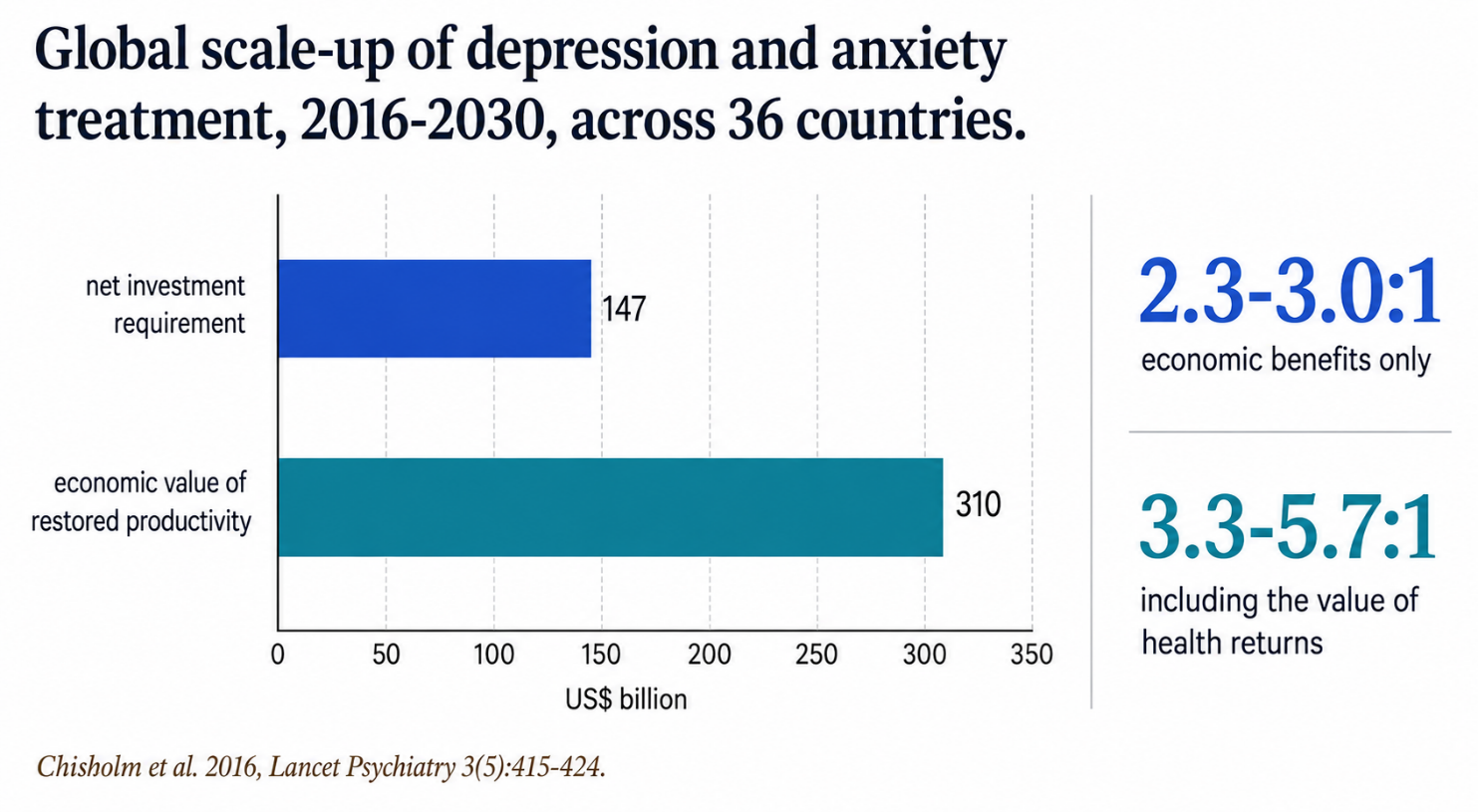
Figure 1. Global return on investment from scaling up depression and anxiety treatment, 2016–2030: US$147 billion in net investment against approximately US$310 billion in restored productivity, giving benefit-to-cost ratios of 2.3–3.0:1 and 3.3–5.7:1 (Chisholm et al., 2016).
This review addresses two questions. The first is how well-being relates to occupational functioning. The second is whether the coping and self-regulation capacities that support well-being can be trained, and whether those gains reach the workplace. The author reports null results, conflicting evidence and methodological weaknesses alongside positive findings. Most of the underlying studies are correlational, so the author uses causal language only for longitudinal, time-lagged or experimental designs that can support it.
2. Method and Scope
This is a narrative review, not a systematic review. It does not follow PRISMA procedures. The author did not conduct an independent formal risk-of-bias assessment; where source syntheses reported such assessments, the review cites those findings directly.
Source selection prioritised the strongest available evidence in each domain: meta-analyses and systematic reviews of randomised controlled trials; individual randomised or quasi-experimental trials; longitudinal and time-lagged field studies; and cross-sectional evidence where stronger designs were unavailable. The text identifies the design of each cited study so readers can judge the strength of the evidence. The intervention literature emphasises publications from 2015 onward, while retaining earlier foundational work where it remains the most relevant source. Non-peer-reviewed sources appear only where no peer-reviewed equivalent exists and are flagged in the text and in the closing note on sources.
The review reports effect sizes in the metric used by the original authors: Cohen's d, Hedges' g, standardised mean difference, correlation coefficient, odds ratio, or Bayesian pooled estimate. It does not convert between metrics because the underlying designs are too heterogeneous for those conversions to imply clean comparability.
3. Constructs: Well-Being, Engagement and Mental Illness
Well-being at work is multidimensional. It includes hedonic components such as job satisfaction and positive affect, and eudaimonic components such as engagement, meaning and thriving. Work engagement refers to a positive, fulfilling work-related state characterised by vigour, dedication and absorption. Mental illness is related but distinct. An employee can be free of a diagnosable disorder yet be languishing, or have a well-managed disorder and function well. Treating these dimensions as interchangeable invites overclaiming, so this review keeps them separate.
Burnout, defined by emotional exhaustion, depersonalisation and reduced personal accomplishment, is a work-specific syndrome of chronic occupational stress. It is conceptually related to depression but empirically distinguishable from it.
The Job Demands-Resources model provides the organising framework. Job demands drive a health-impairment or strain process, while job resources drive a motivational process toward engagement and performance (Bakker & Demerouti, 2007; see Figure 2). The model also helps explain why interventions that target individual coping while leaving demands and resources unchanged tend to underperform.
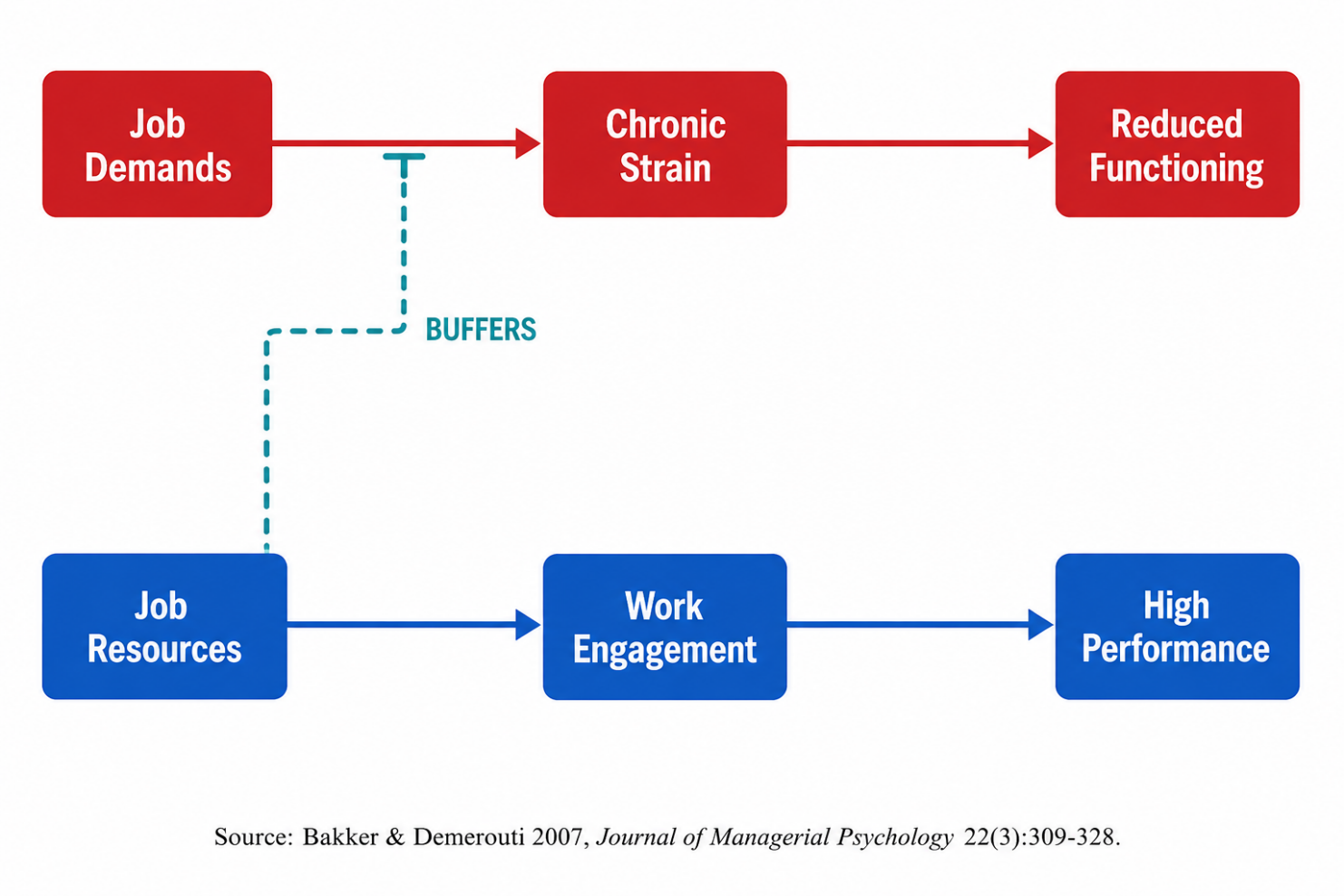
Figure 2. The Job Demands-Resources dual-pathway model: demands driving strain and reduced functioning, resources driving engagement and performance, with resources buffering the demands-to-strain path (Bakker & Demerouti, 2007).
4. General Occupational Functioning: Presenteeism and Absenteeism
Impaired mental health affects occupational functioning through both absence and reduced performance while present. Using data from the American Productivity Audit, Stewart, Ricci, Chee, Hahn and Morganstein (2003) found that workers with depression reported a mean of 5.6 hours per week of health-related lost productive time against an expected 1.5 hours. They estimated the excess cost to US employers at approximately US$31 billion per year relative to workers without depression. Most of that excess came from reduced performance while at work rather than outright absence, making presenteeism both the larger cost and the harder one to observe (see Figure 3).
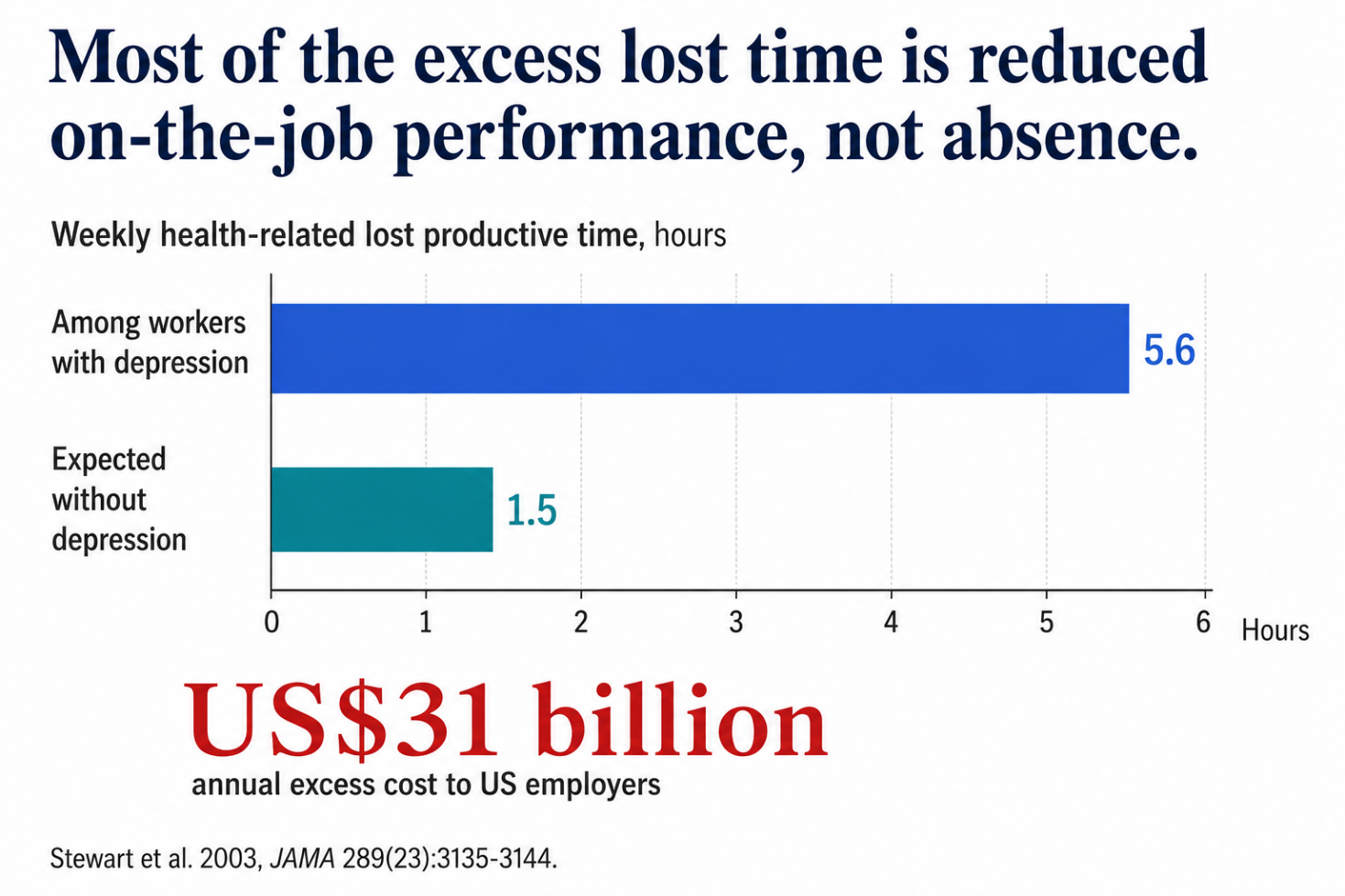
Figure 3. Weekly health-related lost productive time among workers with depression, 5.6 hours against an expected 1.5 hours, with most of the excess arising from reduced on-the-job performance rather than absence (Stewart et al., 2003).
Goetzel et al. (2004) combined medical, absence, short-term disability and productivity data across ten conditions and placed depression and mental illness among the most costly categories, at approximately US$348 per eligible employee per year. Across the ten conditions, presenteeism accounted for 18 to 60 per cent of total costs and often exceeded medical and absence costs combined.
Gallup's tenth-edition meta-analysis reports a median 81 per cent difference in absenteeism between top-quartile and bottom-quartile engagement units (Harter et al., 2020). These are unit-level concurrent-validity associations from a proprietary database, not individual-level causal effects.
5. Work Output and Productivity
The happy-productive worker thesis proposes that happier workers perform better. Meta-analytic evidence gives it qualified support. Ford, Cerasoli, Higgins and DeCesare (2011) found that psychological well-being was positively associated with job performance and more strongly related to it than physical health. The constituent correlations were modest, with anxiety and depression correlating in the region of −.14 to −.15 uncorrected with performance measures.
Work engagement shows stronger associations. Christian, Garza and Slaughter (2011) estimated corrected correlations of engagement with self-rated task performance of ρ = .43 and with other-rated task performance of ρ = .39. Engagement also showed incremental validity over job satisfaction and organisational commitment (see Figure 4). At the business-unit level, Harter et al. (2020) report a fully corrected true-score correlation of .49 with composite performance, with median productivity differences between top- and bottom-quartile units of 14 per cent on production records and 18 per cent on sales.
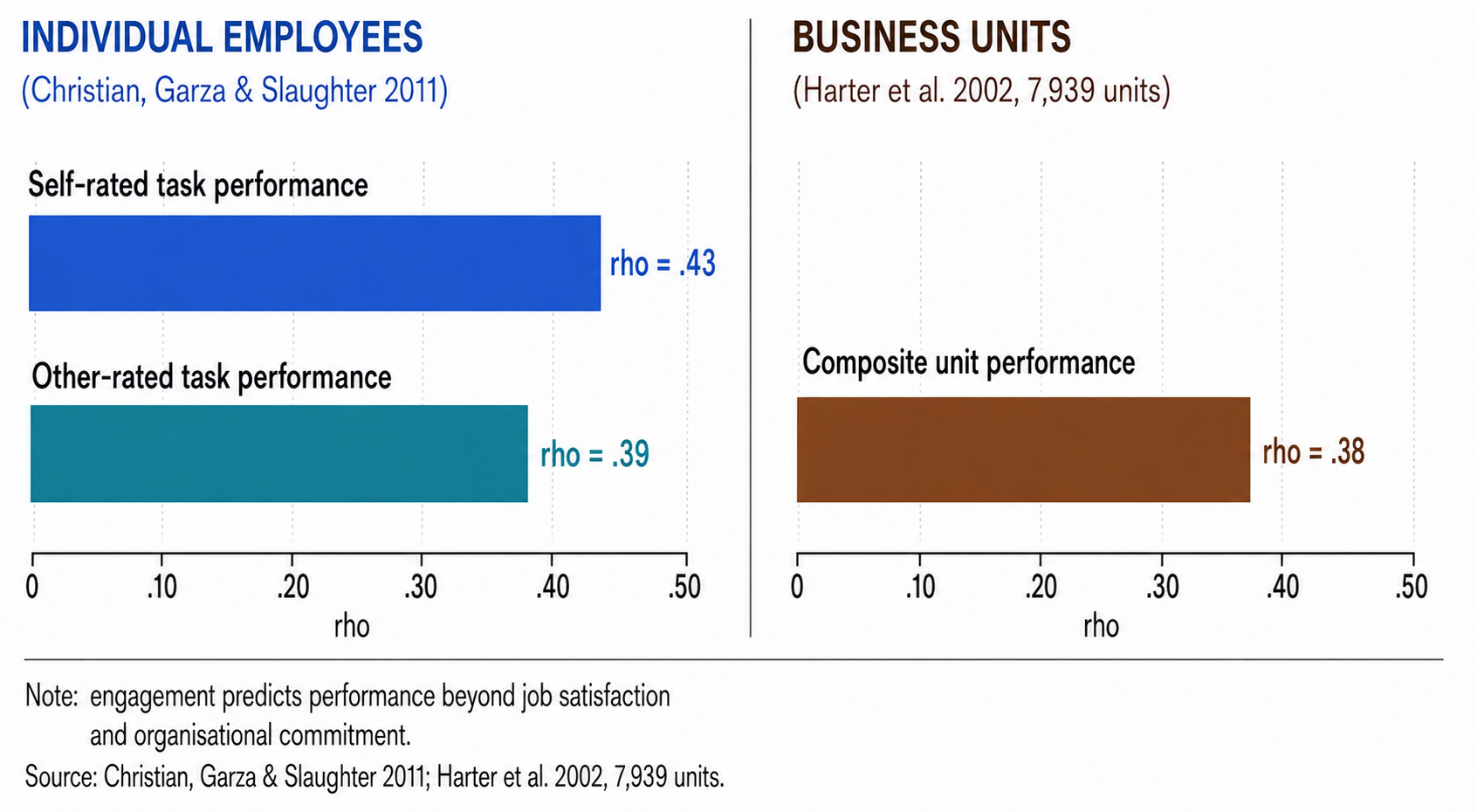
Figure 4. Engagement-performance correlations at two levels of analysis: individual task performance ρ = .43 self-rated and ρ = .39 other-rated, and business-unit composite performance ρ = .38 (Christian et al., 2011; Harter et al., 2002).
Most individual-level relationships are cross-sectional, so the direction of causality remains uncertain; success may generate positive affect as well as the reverse. The largest business-unit effects also come from one consultancy's instrument and database. They are more informative when read alongside independent peer-reviewed meta-analyses rather than as stand-alone evidence.
6. Professional Decision-Making
The strongest evidence linking well-being to decision quality comes through fatigue and sleep. Killgore (2010) reviewed evidence that sleep deprivation slows response speed, increases performance variability, and degrades higher-order executive function and emotionally laden decision-making. Vigilance and attention are among the capacities most consistently affected. These impairments matter in professions where judgement depends on sustained attention and decisions made under time pressure.
Sleep loss also impairs self-regulation. Barnes, Schaubroeck, Huth and Ghumman (2011) found that poor and insufficient sleep depleted self-control resources and increased unethical conduct at work across laboratory and field designs. Christian and Ellis (2011) found similar effects on workplace deviance among nurses across a shift. Together, these studies link workers' physiological state to judgement quality and rule violations in settings where mistakes can carry serious consequences.
The broader ego-depletion literature complicates some claims about self-regulatory "strength." Large-scale replication efforts have challenged the depletion model, so conclusions that depend on depletion alone should be treated cautiously.
7. Errors and Safety
The clinician-burnout literature provides the strongest evidence linking impaired well-being to hard safety outcomes. It also exposes some of the field's main methodological problems.
Tawfik et al. (2018) surveyed 6,695 US physicians. Of those respondents, 54.3 per cent reported burnout symptoms and 10.5 per cent reported a major medical error in the previous three months. Physicians reporting burnout had more than twice the adjusted odds of reporting a recent major error (adjusted OR 2.22, 95% CI 1.79-2.76), independent of workplace safety grade. The study was cross-sectional, and the authors note that causality may run in both directions: burnout may contribute to error, and error may contribute to burnout.
The meta-analytic record also includes a major retraction. Panagioti et al. (2018) pooled 47 studies of 42,473 physicians and reported approximately twofold odds of patient safety incidents with burnout. The paper was retracted in 2020 after a University of Manchester panel identified flaws in the systematic-review process, while finding no evidence of intentional fabrication. This review does not use those withdrawn estimates for any quantitative claim.
Hodkinson et al. (2022) now provide the main meta-analytic estimate. Across 170 observational studies of 239,246 physicians, Hodkinson et al. found an odds ratio of 2.04 (95% CI 1.69-2.45) for patient safety incidents and 2.33 (95% CI 1.96-2.70) for low professionalism among physicians with burnout (see Figure 5). The evidence still has substantial limits. Of the 170 studies, 150 were cross-sectional; heterogeneity was high, with I-squared of approximately 87 per cent for safety incidents; and several subgroup associations did not survive multivariable adjustment. Self-reported burnout may also correlate with self-reported error because negative affectivity influences both measures. Associations with objectively measured errors tend to be weaker.
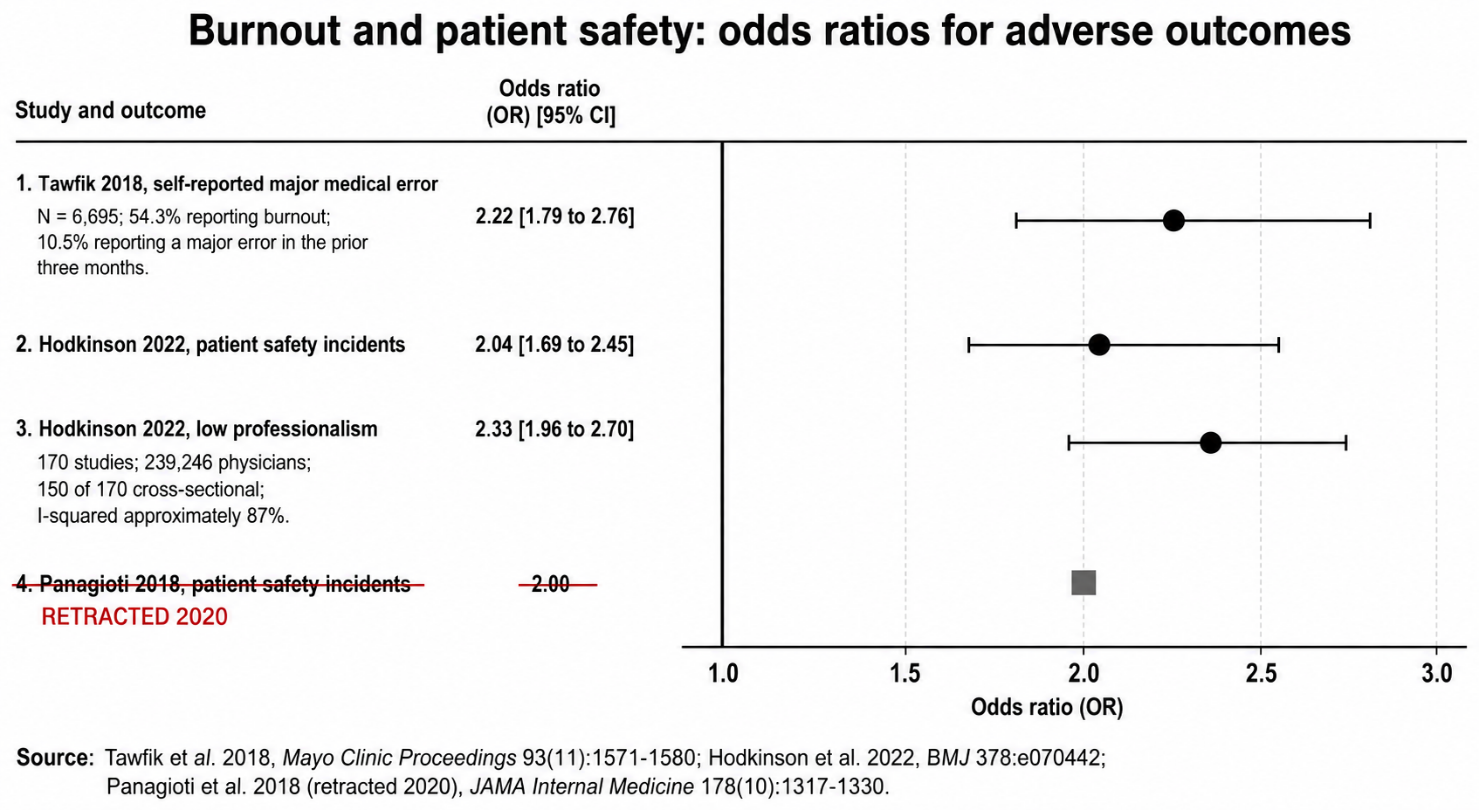
Figure 5. Odds ratios linking physician burnout to major medical error, patient safety incidents and low professionalism, with the retracted 2018 estimate shown struck through and excluded from any quantitative claim (Tawfik et al., 2018; Hodkinson et al., 2022).
At the business-unit level, Harter, Schmidt and Hayes (2002) reported an engagement-safety correlation of approximately −.32 across 7,939 units in 36 companies. Harter et al. (2020) report median differences of 64 per cent fewer safety incidents and 41 per cent fewer quality defects between top- and bottom-quartile units.
8. Initiative, Proactivity and Creativity
Positive affective well-being appears especially relevant to discretionary and generative behaviours that formal job descriptions do not require. Amabile, Barsade, Mueller and Staw (2005) followed 222 employees across seven companies and collected 11,471 daily reports. Positive affect was positively and linearly related to creativity, and time-lagged analyses identified positive affect as an antecedent of creative thought, with incubation effects of up to two days. This within-person design addresses reverse causality better than most field studies in the review.
Broaden-and-build theory offers one mechanism: positive emotions broaden momentary thought-action repertoires and help build personal and social resources that support cognitive flexibility. Engagement is also meta-analytically linked to contextual and citizenship performance (Christian et al., 2011), while psychological capital is positively associated with citizenship behaviours and several performance measures (Avey, Reichard, Luthans, & Mhatre, 2011). These findings suggest that well-being may matter more for extra-role and innovative behaviour than for narrowly defined in-role output.
9. Organisational Performance Outcomes
Much of the organisational evidence comes from the Gallup Q12 meta-analyses. In the peer-reviewed foundational study, Harter et al. (2002) analysed 7,939 business units across 36 companies, comprising 198,514 respondents. They found generalisable positive relationships between unit-level engagement and productivity, profitability, customer satisfaction, turnover and safety, with a fully corrected correlation of .38 with composite performance.
The 2020 tenth edition expanded the database to 456 studies, 276 organisations, 112,312 work units and 2,708,538 employees across 96 countries, reporting a fully corrected true-score correlation of .49. Median differences favouring top-quartile units were 23 per cent for profitability, 14 to 18 per cent for productivity, 13 per cent for organisational citizenship and 10 per cent for customer loyalty. Top-quartile units also showed 81 per cent fewer absences, 64 per cent fewer safety incidents, 41 per cent fewer quality defects and 28 per cent less shrinkage. The strongest association in that edition was between engagement and employee well-being itself, at a mean observed correlation of .56. The two constructs are related but not identical.
These results come from concurrent and predictive validity studies within one consultancy's database and are not independently peer-reviewed. Independent meta-analyses point in the same broad direction. Christian et al. (2011) report positive engagement-performance associations, while Avey et al. (2011), drawing on 51 independent samples totalling 12,567 participants, found positive relationships between psychological capital and job satisfaction, organisational commitment, psychological well-being, citizenship behaviours, and self-rated, supervisor-rated and objective performance.
10. Are Coping and Self-Regulation Skills Trainable?
The earlier sections establish association. The next question is whether the capacities that support well-being can be deliberately developed.
10.1 Resilience Training
The main syntheses report different effect sizes. Vanhove, Herian, Perez, Harms and Lester (2016) meta-analysed 42 independent samples of workplace resilience-building programmes and found a small overall effect of d = 0.21 that diminished over time, with proximal effects of approximately d = 0.26 declining at more distal measurement. Programme format moderated outcomes, with one-on-one delivery tending to outperform classroom formats. Universal programmes delivered to whole workforces outperformed those targeting at-risk individuals, and targeted programmes sometimes showed reversed effects at longer follow-up.
Leppin et al. (2014), restricting inclusion to 25 randomised trials, found a standardised mean difference of 0.37 (95% CI 0.18-0.57) on resilience and rated overall confidence in the evidence as low.
Joyce, Shand, Tighe, Laurent, Bryant and Harvey (2018), restricting inclusion to 11 randomised controlled trials, reported a moderate effect on resilience of g = 0.44 (95% CI 0.23-0.64), with cognitive-behavioural, mindfulness-based and mixed programmes all showing benefit.
Robertson, Cooper, Sarkar and Curran (2015) systematically reviewed 14 workplace resilience-training studies spanning single 90-minute sessions to 12-week programmes. They concluded that training can improve personal resilience, mental health and subjective well-being, with some evidence of wider benefit to psychosocial functioning and performance. Heterogeneity limited stronger conclusions.
Resilience appears trainable. Effects on resilience itself are small to moderate and tend to fade without maintenance. Evidence that those gains transfer to hard work outcomes is weaker than evidence of gains in the trained skill (see Figure 6).
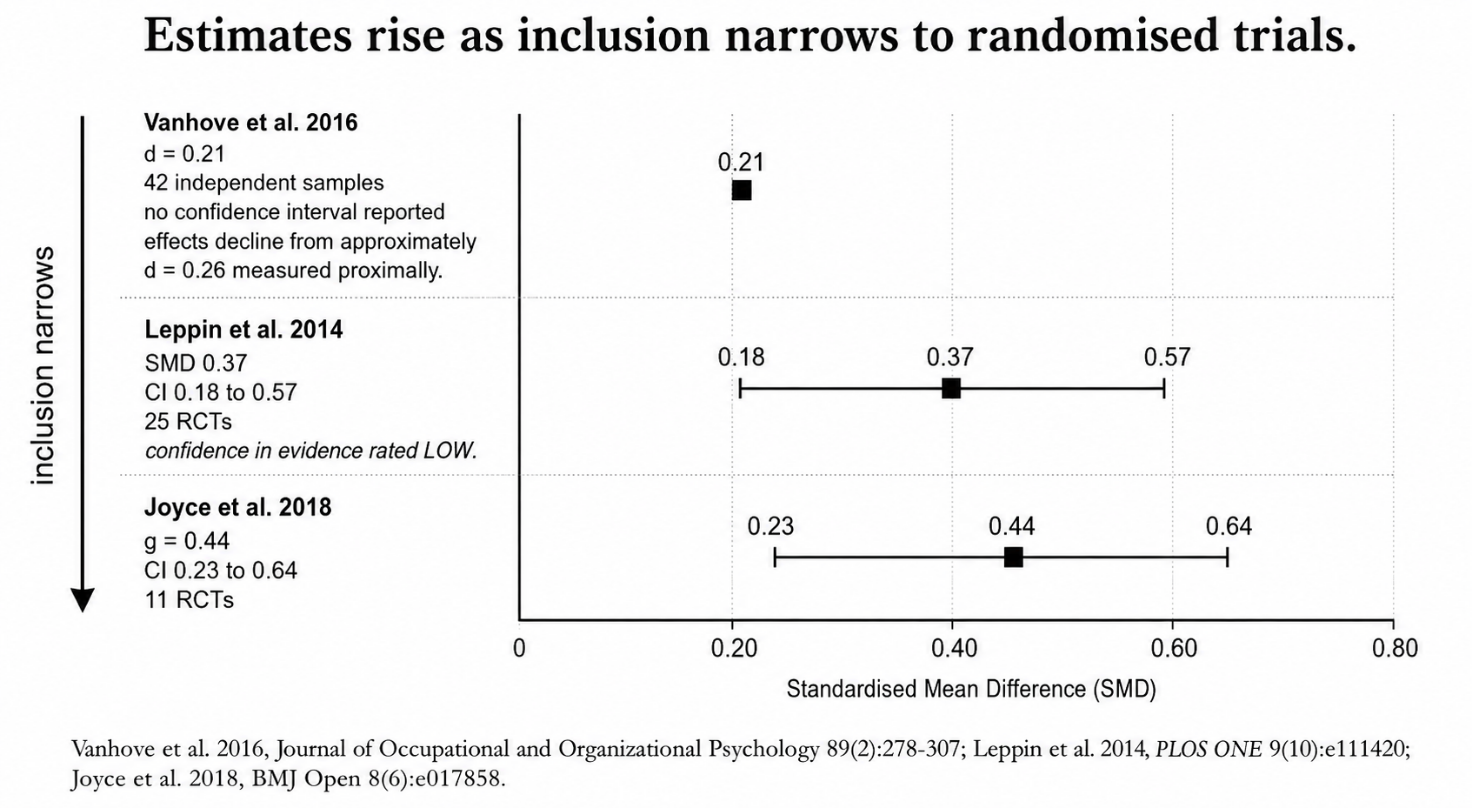
Figure 6. Resilience-training effect estimates ordered by inclusion strictness, rising from d = 0.21 across 42 samples to g = 0.44 across 11 randomised trials (Vanhove et al., 2016; Leppin et al., 2014; Joyce et al., 2018).
10.2 Stress-Management and Cognitive-Behavioural Skills Training
Richardson and Rothstein (2008) meta-analysed 36 studies comprising 55 interventions and 2,847 participants and found an overall weighted effect of d = 0.53 (95% CI 0.36-0.69). Cognitive-behavioural interventions produced larger effects than relaxation, organisational or multimodal approaches. Adding components did not improve outcomes; multimodal programmes performed worse than focused ones.
A more recent analysis found a partly different pattern. In digitally delivered workplace trials, mindfulness and stress-management approaches outperformed cognitive-behavioural approaches for anxiety and stress (Stratton et al., 2025; see section 10.8). The combined evidence supports focused, active, skills-based training but does not settle which therapeutic approach works best across outcomes and delivery modes.
10.3 Mindfulness-Based Programmes
Bartlett et al. (2019) meta-analysed 23 randomised controlled trials of workplace mindfulness training and found effects of g = 0.45 on mindfulness itself, 0.56 on stress, 0.62 on anxiety, 0.69 on psychological distress and 0.46 on well-being.
Lomas, Medina, Ivtzan, Rupprecht and Eiroa-Orosa (2019), analysing 35 randomised trials, reported standardised mean differences of −0.57 for stress, −0.57 for anxiety, −0.56 for distress and −0.36 for burnout, alongside positive effects on health (0.63), compassion and empathy (0.42), mindfulness (0.39) and positive well-being (0.36). They also reported an effect on job performance itself of SMD = 0.43, one of the few workplace meta-analytic estimates to reach a performance outcome rather than stop at symptom or skill measures (see Figure 7). The authors noted inconsistent study quality and called for higher-quality trials.
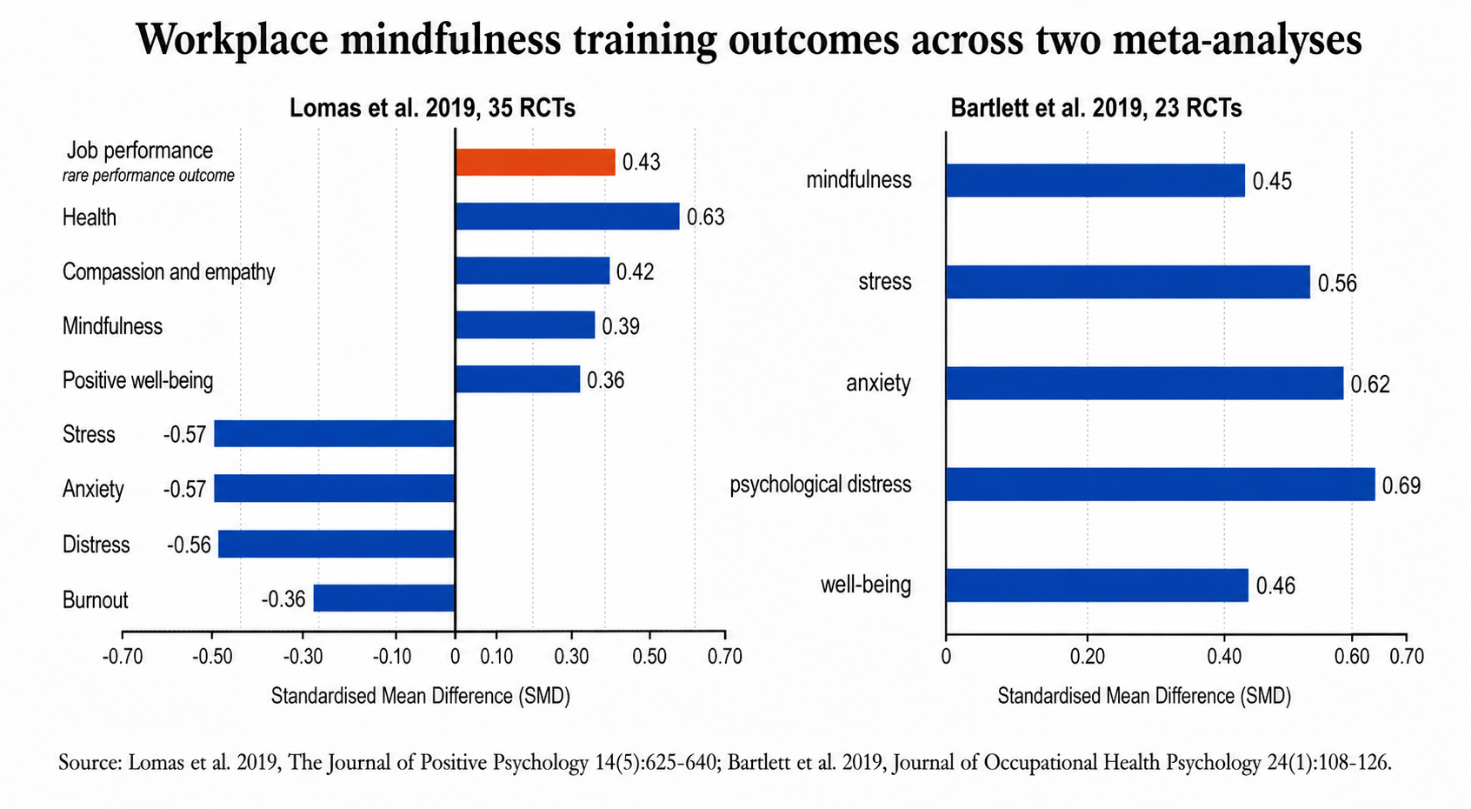
Figure 7. Workplace mindfulness training outcomes across two meta-analyses of randomised trials, including the rare job-performance estimate of SMD = 0.43 (Lomas et al., 2019; Bartlett et al., 2019).
10.4 Emotion Regulation
Strategy choice matters. Cognitive reappraisal is generally adaptive, while habitual expressive suppression tends to be costly because it depletes cognitive resources and can impair interpersonal functioning. Meta-analytic evidence supports reliable, modest benefits of reappraisal (Webb, Miles, & Sheeran, 2012).
Zhu et al. (2025) provide the most directly relevant recent trial. In a randomised controlled ecological momentary intervention, employees received cognitive reappraisal prompts during the working day. The intervention reduced counterproductive work behaviour and improved overall job performance. Reappraising the situation worked better than reappraising the emotion, and the effect did not fade at one-month follow-up. That durability differs from the decay seen in the broader resilience-training literature and needs replication.
10.5 Psychological Capital
Lupsa, Virga, Maricutoiu and Rusu (2020), in a pre-registered meta-analysis of 41 controlled trials totalling 3,911 participants, found that psychological capital interventions produced a significant but small overall effect of d = 0.34. The result supports the view that the construct is state-like and developable. Interventions targeting a single resource were often more effective than those targeting the composite construct, which again favours focus over breadth.
Loghman, Ramirez-Perez, Bohle and Martin (2025) updated the evidence with 40 studies totalling 4,207 participants. Their meta-analysis found sustained effects on psychological capital, hope, resilience and optimism, though not on self-efficacy. Session frequency moderated outcomes.
10.6 Recovery, Detachment and Sleep
Steed, Swider, Keem and Liu (2021), meta-analysing 198 empirical samples, found positive relationships between employee recovery and resources, well-being and performance, and a negative relationship with demands. Relaxation and mastery experiences related positively to engagement, performance, citizenship and creativity. Psychological detachment mainly reduced negative personal outcomes such as exhaustion and did not show a direct benefit to job outcomes. That distinction matters when deciding what recovery training should target.
Detachment itself can be trained. Karabinski, Haun, Nubold, Wendsche and Wegge (2021) meta-analysed 30 studies comprising 34 interventions and 3,725 participants and found an overall improvement in psychological detachment of d = 0.36. Boundary-management interventions were most effective at d = 0.65 against d = 0.25 for those without such a component. Mindfulness-based interventions achieved d = 0.46, and longer or higher-dose interventions and participants with greater initial impairment benefited more (see Figure 8).
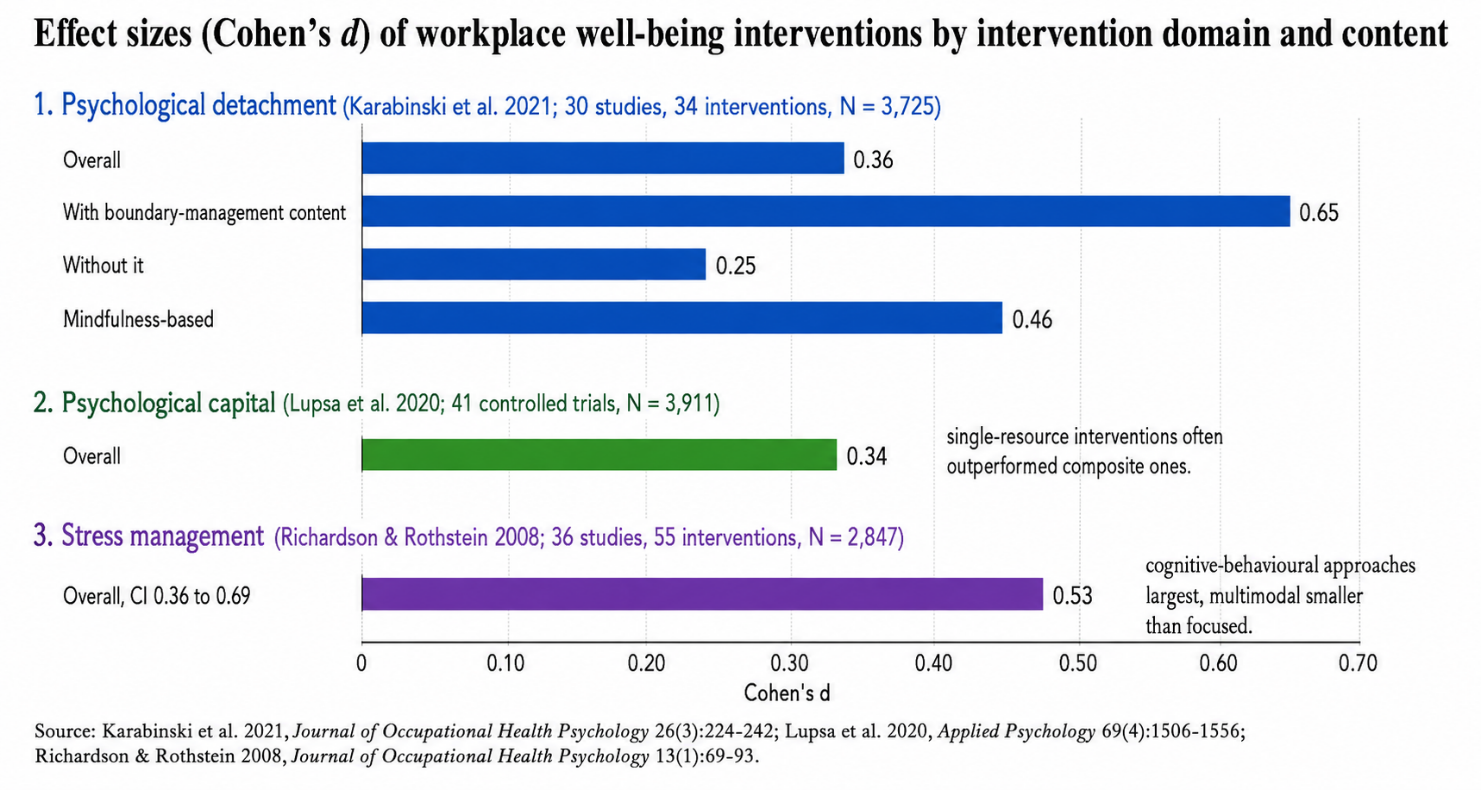
Figure 8. Design features moderating intervention effectiveness across detachment, psychological capital and stress-management trials, with boundary-management content more than doubling the detachment effect (Karabinski et al., 2021; Lupsa et al., 2020; Richardson & Rothstein, 2008).
Hahn, Binnewies, Sonnentag and Mojza (2011) show the mixed pattern. In a quasi-experimental trial with 95 participants, recovery training increased recovery experiences, recovery-related self-efficacy and sleep quality and reduced perceived stress and negative affect, but it did not reduce emotional exhaustion. Given the established links between sleep loss and error (Killgore, 2010; Barnes et al., 2011), sleep remains an important but under-powered target in this literature.
10.7 Heart Rate Variability Biofeedback
Goessl, Curtiss and Hofmann (2017) meta-analysed 24 studies totalling 484 participants and found a large pre-post within-group effect of Hedges' g = 0.81 and a between-group effect of g = 0.83 for heart rate variability biofeedback on stress and anxiety. Session number and risk of bias did not moderate the effect. Effects on depressive symptoms are smaller, at approximately g = 0.38 (Pizzoli et al., 2021).
The outcomes are predominantly self-reported stress and anxiety rather than job performance, and occupational applications remain sparse. Heart rate variability is theorised as an index of self-regulatory capacity under the neurovisceral integration framework, but the evidence has not yet shown that improving this physiological index improves workplace functioning.
10.8 Digital and Technology-Delivered Training
Stratton, Morris, Milton, Deady, Choi and Glozier (2025) conducted a Bayesian multilevel meta-regression of 81 randomised controlled trials evaluating 98 distinct digital mental health interventions in 25,500 employed participants. Pooled effects were small but significant across all three outcomes: depression θ = −0.167 (95% credible interval −0.31 to −0.03), anxiety θ = −0.211 (−0.36 to −0.07) and stress θ = −0.165 (−0.28 to −0.05).
Its moderator analysis found that intervention characteristics explained more heterogeneity than sample characteristics. Interventions incorporating person support showed evidence ratios of 3.9 to 10.6. Expert involvement in design showed an evidence ratio of 25.7 for stress outcomes, video content showed evidence ratios of 3.69 to 5.71, feedback scores 6.55 and reminder prompts 96.56 for stress. Mood trackers, avatars and participant content selection showed no evidence of benefit on any outcome. The authors caution against assuming that untested features or participatory design processes improve outcomes.
Mindfulness and stress-management approaches outperformed cognitive-behavioural approaches for anxiety and stress outcomes in this digital sample, contrasting with Richardson and Rothstein (2008). At the same time, the reviewers rated 71 of the 81 trials, or 82.7 per cent, at high risk of bias, largely because of waitlist controls and the impossibility of blinding participants (see Figure 9).
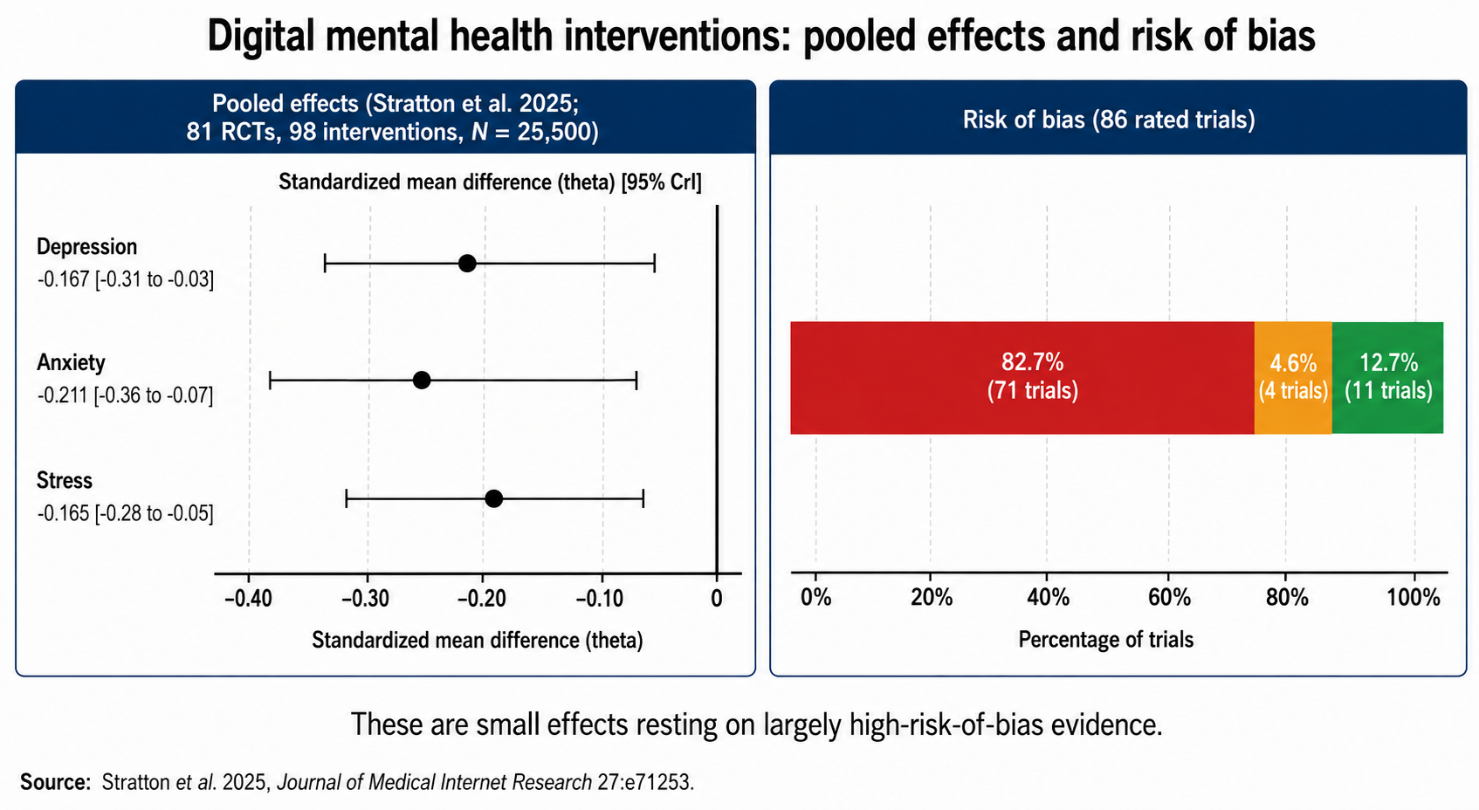
Figure 9. Pooled effects of digital workplace interventions on depression, anxiety and stress, shown alongside the risk-of-bias profile of the rated trials, of which 82.7 per cent were rated high risk (Stratton et al., 2025).
Phillips, Gordeev and Schreyogg (2019) also found that guidance improved outcomes in occupational e-mental-health trials. Attrition remains a structural problem. De Miquel et al. (2024), reviewing 19 workplace digital intervention trials, found average total attrition of 26.3 per cent and higher attrition in intervention than control arms, at a relative risk of 1.05 (see Figure 9a).
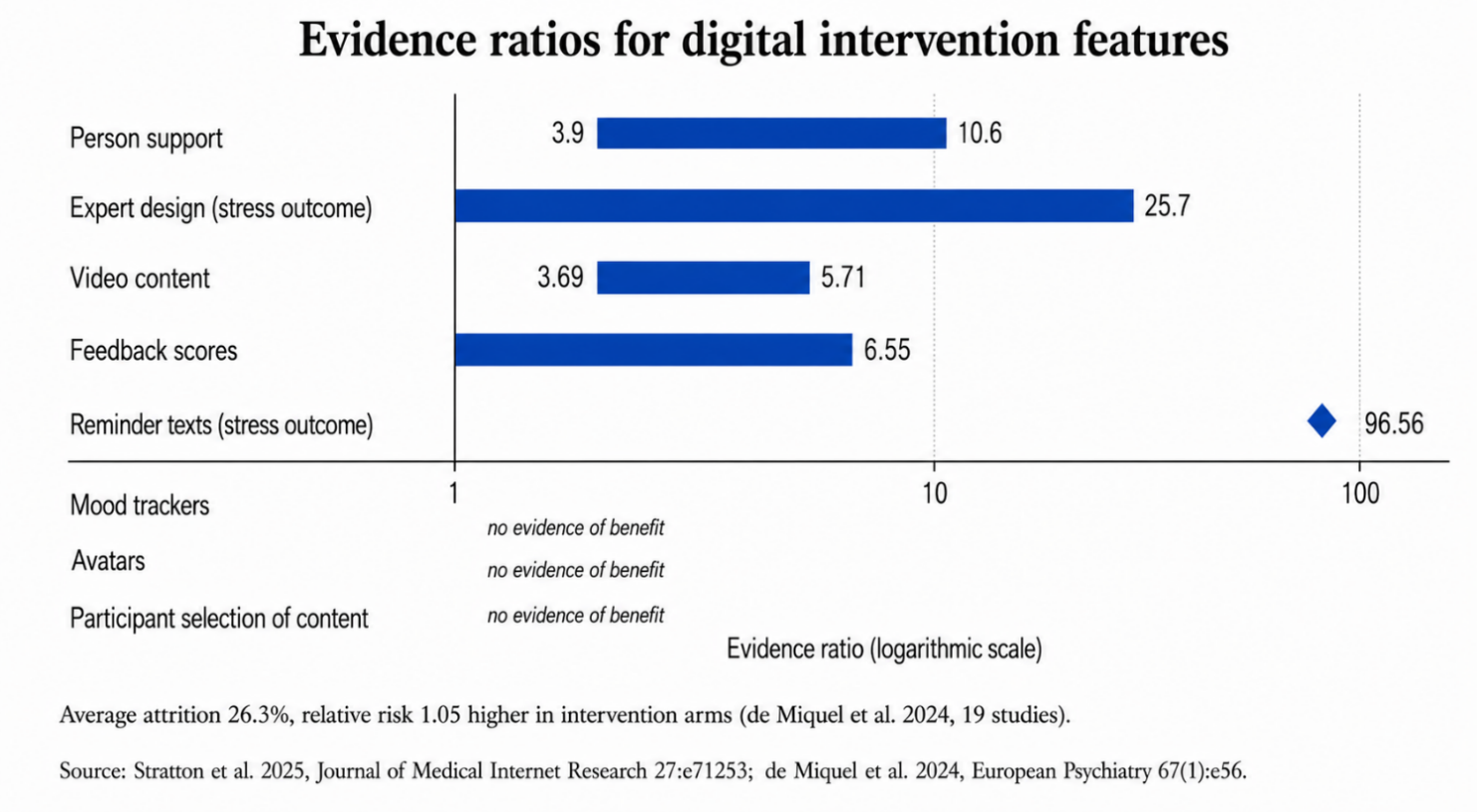
Figure 9a. Evidence ratios for individual digital intervention features, including the three features showing no evidence of benefit, with average attrition of 26.3 per cent (Stratton et al., 2025; de Miquel et al., 2024).
11. What Distinguishes Effective From Ineffective Interventions
Across these studies, several design features recur in more effective interventions: focused rather than diffuse content (Richardson & Rothstein, 2008; Lupsa et al., 2020), adequate dose and sustained practice (Karabinski et al., 2021; Loghman et al., 2025), active rehearsal rather than psychoeducation alone, human guidance or support in digital formats (Phillips et al., 2019; Stratton et al., 2025), and expert involvement in design (Stratton et al., 2025).
Fleming (2024) provides the strongest counterexample. Analysing 46,336 UK workers across 233 organisations in the Britain's Healthiest Workplace survey, Fleming found that participants in individual-level well-being interventions, including mindfulness, resilience and stress-management training, relaxation classes and well-being apps, appeared no better off than non-participants across multiple subjective well-being indicators. Of approximately 90 interventions examined, only volunteering and charity work showed a positive association. Some interventions showed small negative associations, plausibly because of selection effects.
The Fleming study is cross-sectional, cannot isolate structured high-fidelity programmes from cursory ones, and cannot establish causation in either direction. It does capture programmes as organisations actually deploy them at scale, so the result remains relevant despite those design limits (see Figure 10a).
Controlled trials show a different pattern. West, Dyrbye, Erwin and Shanafelt (2016), meta-analysing controlled intervention studies in physicians, found modest but statistically significant reductions in burnout. Overall burnout fell from 54 to 44 per cent (difference 10 per cent, 95% CI 5-14, across 14 studies), high emotional exhaustion from 38 to 24 per cent (14 per cent, 95% CI 11-18, across 21 studies), and high depersonalisation from 38 to 34 per cent (4 per cent, 95% CI 0-8, across 16 studies; see Figure 10). The same literature indicates that organisation-directed changes are at least as effective as individual-directed ones. This leaves a practical gap between efficacy under controlled conditions and effectiveness when organisations deploy programmes at scale.
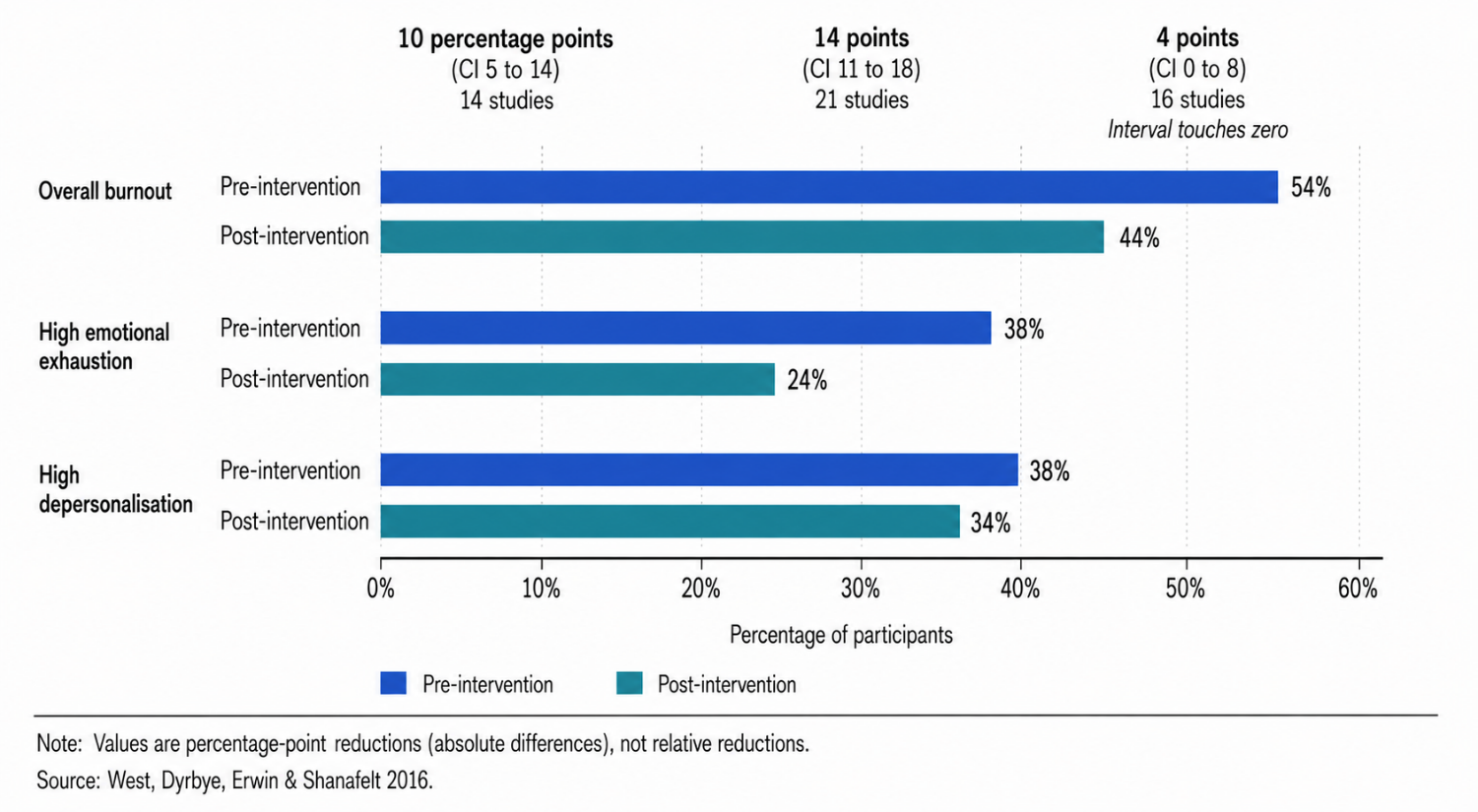
Figure 10. Pooled physician burnout before and after controlled interventions, falling by 10, 14 and 4 percentage points across overall burnout, emotional exhaustion and depersonalisation (West et al., 2016).
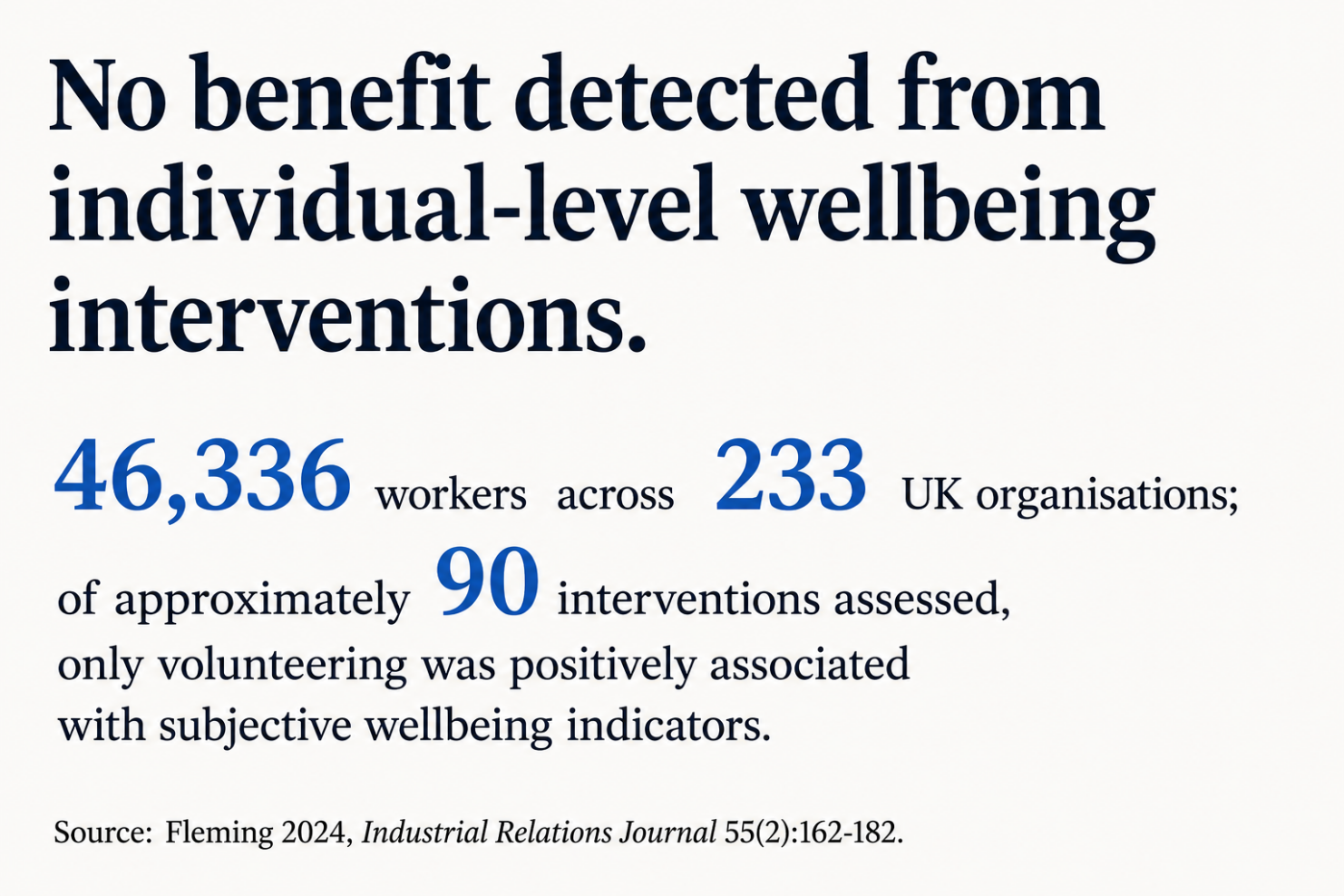
Figure 10a. Contrasting population-scale evidence: no benefit detected from individual-level well-being interventions across 46,336 UK workers in 233 organisations (Fleming, 2024).
12. Transfer of Training
Training transfer helps explain that gap. Blume, Ford, Baldwin and Huang (2010), meta-analysing 89 studies, found that cognitive ability, conscientiousness, motivation to transfer and a supportive work environment predicted whether training carried over to the job. For open or soft-skill training, the category that includes coping and self-regulation training, self-efficacy, motivation and supportive climate were stronger predictors than they were for closed procedural skills.
A programme can produce measurable learning without measurable transfer if workers have no opportunity to practise, no supervisory support and no reinforcement. Evaluations that measure only learning may therefore report success even when organisations see little change on the job. Coping-skills programmes should treat the transfer environment as part of the intervention rather than background context.
13. Prevention and the Subclinical Workforce
Training may also matter for workers who are experiencing strain but are not clinically unwell, a group that falls outside many service models. Tan et al. (2014), meta-analysing universal workplace prevention of depression, found a small but significant standardised mean difference of 0.17 (95% CI 0.07-0.27). Cognitive-behavioural programmes carried most of the effect, though the CBT-only estimate did not reach significance at 0.12 (95% CI −0.01 to 0.24).
Indicated prevention, which targets workers already showing symptoms without meeting diagnostic thresholds, shows larger effects. Nigatu, Huang, Rao, Gillis, Merali and Wang (2019) meta-analysed 16 trials and found standardised mean differences of −0.44 (95% CI −0.61 to −0.26) for cognitive-behavioural interventions and −0.32 (95% CI −0.59 to −0.06) for non-cognitive-behavioural interventions such as exercise, with substantial heterogeneity in both cases.
These findings support reaching workers before they cross a clinical threshold, while keeping expectations modest.
14. Evidence From High-Demand Occupational Settings
Controlled trials in demanding workplaces show different patterns under different delivery conditions. Joyce, Shand, Lal, Mott, Bryant and Harvey (2019) randomised 24 fire and rescue stations in New South Wales, comprising 143 full-time firefighters, to a six-session internet-delivered mindfulness-based resilience programme or control. The intervention significantly increased adaptive resilience at six-month follow-up, showing that a structured multi-session programme can produce durable gains in a high-demand workforce.
Moskowitz et al. (2024) randomised 554 healthcare workers to a five-week self-guided positive-emotion-regulation programme during the COVID-19 pandemic. Within-group anxiety improved significantly, but the between-group difference in change was not statistically significant. Only 9.4 per cent of participants, 52 people, completed all five lessons. The low completion rate limits what can be inferred about the programme's content.
The facilitated, structured, cluster-randomised programme produced sustained effects, while the self-guided programme had 9.4 per cent completion (see Figure 11).
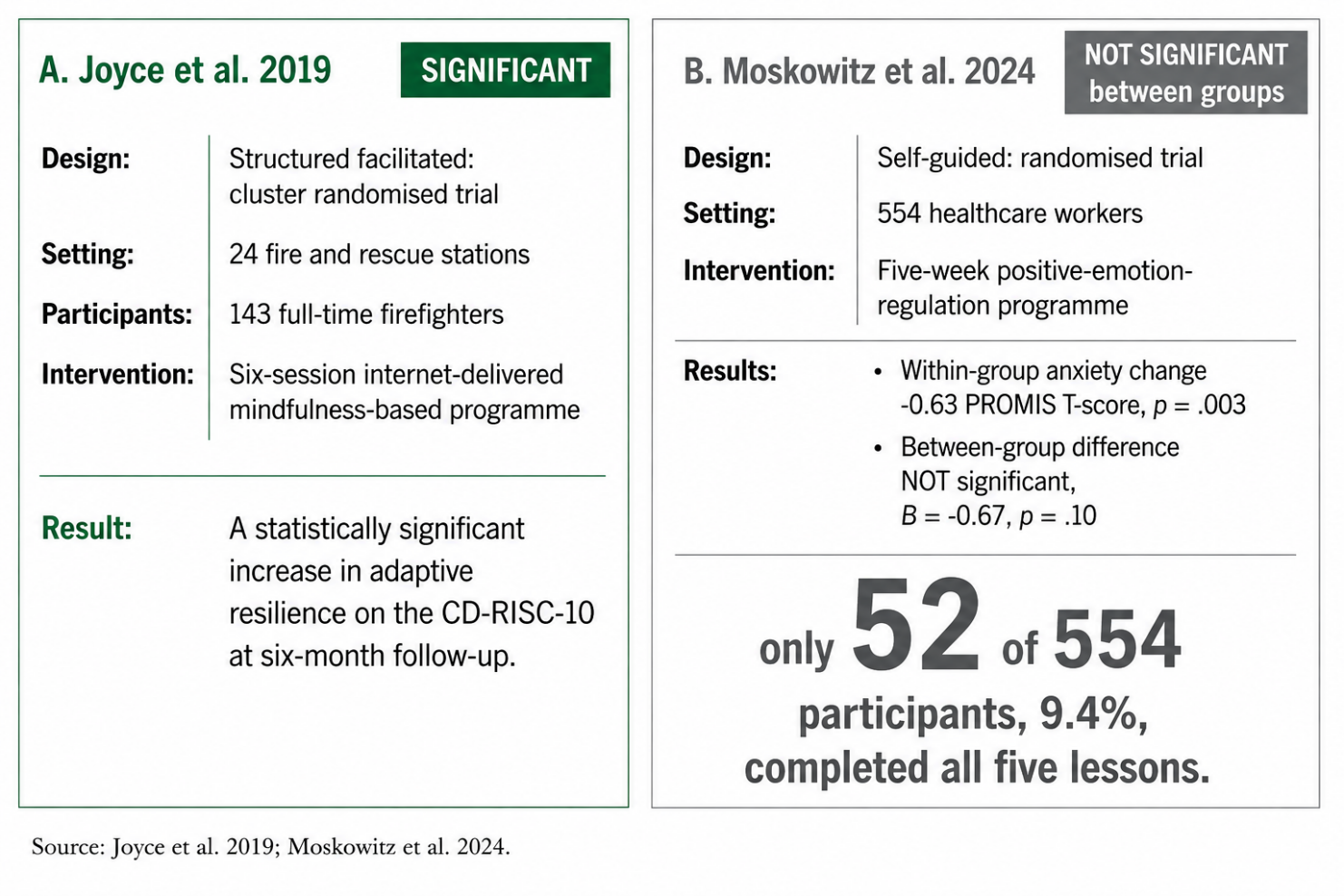
Figure 11. Structured facilitated delivery against self-guided delivery in high-demand workforces, where only 9.4 per cent of self-guided participants completed all five lessons (Joyce et al., 2019; Moskowitz et al., 2024).
15. Mechanisms
Evidence points to four overlapping pathways between well-being and occupational functioning. Fatigue and impaired mental health can narrow attention, degrade working memory and executive function, and destabilise performance (Killgore, 2010). Job resources can support engagement, which channels vigour and absorption into task and contextual performance (Bakker & Demerouti, 2007; Christian et al., 2011). Positive affect can broaden cognition and precede creative and proactive behaviour (Amabile et al., 2005). Sleep and recovery can restore self-control, while their depletion raises the risk of error, deviance and unethical conduct (Barnes et al., 2011; Christian & Ellis, 2011).
A longitudinal study also links job demands and control to mortality. Gonzalez-Mule and Cockburn (2017), in a seven-year time-lagged analysis of 2,363 workers in the Wisconsin Longitudinal Study, found that high job demands were associated with a 15.4 per cent increase in the odds of death among those in low-control jobs, with the reverse pattern in high-control jobs.
16. Limitations
Design. Most evidence is cross-sectional and self-reported, leaving reverse causality and common-method variance as serious and largely unquantified threats. A smaller set of studies uses stronger designs, including the time-lagged diary study by Amabile et al. (2005), the longitudinal mortality analysis by Gonzalez-Mule and Cockburn (2017), and the randomised trials by Joyce et al. (2019) and Zhu et al. (2025).
Magnitude. Individual-level effects are usually small to moderate. A d of 0.21 to 0.44 on the trained skill, declining over time and accompanied by weaker, less consistent effects on work performance, is a realistic expectation. Small effects can matter at scale, but they do not support strong causal or promotional claims.
Study quality. Risk of bias is high across much of the intervention literature. Stratton et al. (2025) rated 82.7 per cent of the trials at high risk, and confidence ratings in systematic reviews are often low (Leppin et al., 2014).
Publication bias. This is likely across the resilience and positive-psychology literatures. Effect estimates vary with inclusion criteria: compare the RCT-only estimate of g = 0.44 (Joyce et al., 2018), the broader-inclusion estimate of d = 0.21 (Vanhove et al., 2016), and the low-confidence rating attached to SMD = 0.37 (Leppin et al., 2014).
Research integrity. The retraction of Panagioti et al. (2018) shows why a widely publicised effect size should not carry a business case on its own. Anyone relying on a headline figure from this literature should verify its current status.
The source literature also includes conflicts of interest. The senior author of Stratton et al. (2025) reports intellectual property in digital mental health applications, and the Gallup figures cited here come from an organisation that sells related services.
17. Discussion
The evidence supports a modest positive relationship between well-being and occupational functioning, and a modest capacity to train some of the skills that support it. Evidence is strongest for the engagement-performance link, the affect-creativity link and the fatigue-error pathway. Independent meta-analyses support the first; time-lagged field data support the second; experimental cognitive science supports the third. Evidence is weakest for individual-level well-being interventions delivered at population scale without structure, guidance or organisational support.
The evidence therefore supports treating well-being as one contributor to functioning within a wider system of job design, workload, staffing, leadership and organisational conditions. That interpretation fits the Job Demands-Resources model and the intervention evidence favouring structural changes alongside individual training. Well-being and performance likely influence each other, and both may also reflect shared upstream causes such as competent management and manageable demands.
The practical implications are narrower than many workplace programmes imply. Structured, multi-session, practice-based skills training outperforms passive psychoeducation and unsupported tools. Guidance, expert design and adequate dose improve outcomes. Learned skills are more likely to reach the job when the work environment supports transfer. Organisations should not expect individual training alone to produce organisation-level change. The literature does not show that training individuals reliably transforms organisational outcomes.
18. Conclusion
Well-being matters for how people function at work, and some of the capacities that support it can be trained. The effects are modest.
Evidence is strongest in the safety, fatigue and creativity domains, and in the design features that distinguish stronger from weaker programmes. Evidence is weakest for unstructured individual-level interventions deployed at population scale. Organisations should treat well-being as one factor among several that shape functioning, invest in job and organisational design alongside individual skills training, prefer structured guided multi-session programmes with explicit attention to transfer, measure outcomes with objective as well as self-report indicators, and judge claims against the quality of the underlying evidence.
Future trials should be adequately powered and should measure objective occupational functioning, including errors, safety events, absence and retention, rather than relying mainly on self-reported symptoms. Follow-up also needs to be long enough to measure decay.