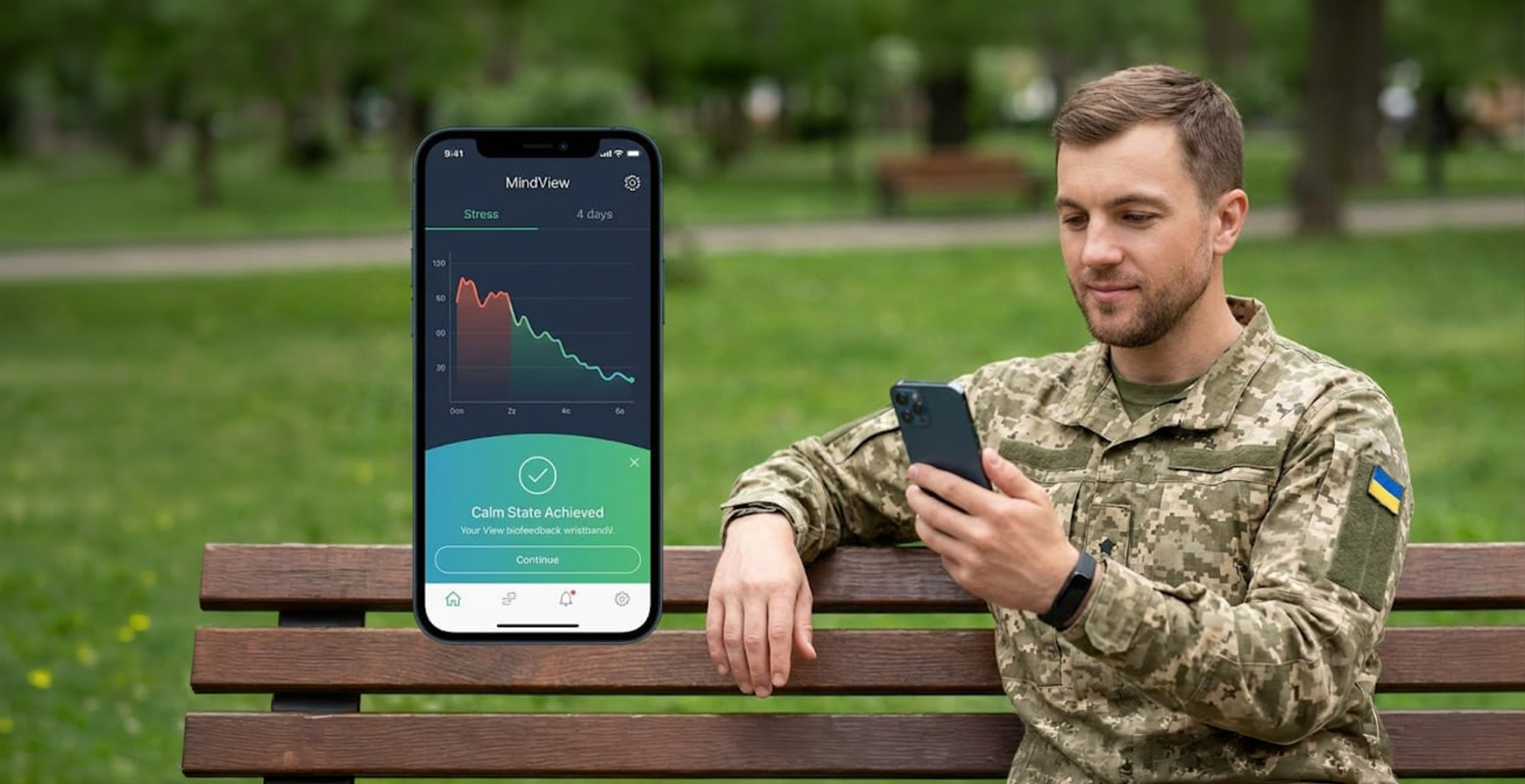
Combat Veterans: High Exposure, Persistent Symptoms
11-20% of Iraq/Afghanistan veterans, 12% of Gulf War veterans, 15% of Vietnam veterans (30% lifetime) meet PTSD criteria. This represents ~1.5 million U.S. veterans currently with PTSD. Consequences: unemployment rates 3-5 points higher, lower job satisfaction, significantly higher cardiovascular disease and chronic pain, suicide rates 72% higher than non-veterans.
Why the VA System Cannot Meet the Need
Geographic barriers (rural veterans far from facilities), wait times (weeks to months), treatment dropout (20-40% don't complete PE or CPT), stigma (military culture values stoicism; seeking help feels like weakness). Result: most veterans with significant trauma symptoms never receive evidence-based treatment.
Refugees and Forcibly Displaced Populations
110 million people worldwide forcibly displaced. Refugee PTSD prevalence: 30-40% (vs. 3-4% general population). Depression: 30-44%. Syrian refugee children in Lebanon: 70% met PTSD screening criteria. Service gaps: limited healthcare access, cultural/linguistic barriers, prioritization of survival needs, mental health stigma.
First Responders: Trauma as Occupational Hazard
Firefighters more likely to die by suicide than in the line of duty; 15-20% meet PTSD criteria. Police: 7-19% PTSD prevalence. EMS: one-third screen positive for PTSD, depression, or suicidal ideation. Emergency department staff: elevated PTSD, depression, burnout. Cumulative exposure over years compounds effects.
Why First Responders Don't Seek Help
Occupational culture values toughness; admitting struggle feels incompatible with competence. Career consequences (advancement, assignments, job security). Confidentiality concerns in small departments. Accessibility (shift work, irregular hours). Traditional talk therapy feels alien to action-oriented problem-solvers.
What the Research Says We Need
Accessibility over perfection (low-barrier entry, flexible engagement, multilingual). Autonomy and control (self-directed skill-building). Skill focus over symptom focus ('building regulation capacity,' not 'treating illness'). Peer credibility (fellow veterans, fellow first responders). Measurable progress.
What Would Adequate Look Like
Accessible without requiring 'patient' identification or complex clinical systems. Culturally adapted to military, first responder, and diverse refugee cultures. Compatible with irregular schedules and geographic dispersion. Focused on skill-building and performance enhancement. Measurable in actual functioning. Scalable to hundreds of thousands.
The people who walk toward trauma deserve systems that walk with them in recovery. Currently, we're asking them to walk alone.